What “bière de haute fermentation” means
Top fermentation, explained — and why it gives Belgian ales their character.
Every beer is made by yeast turning the sugars of malted grain into alcohol and carbon dioxide. How — and at what temperature — that happens decides which family a beer belongs to.
Top fermentation
“Haute fermentation” means top fermentation. Ale yeasts work at warmer temperatures, roughly 15–24 °C, and much of the yeast rises to the surface of the beer while it ferments — hence haute, “high”. Fermenting warm lets the yeast create fruity and spicy aromas, which brewers call the yeast’s character.
And bottom fermentation?
Lagers are bottom-fermented: their yeast works cold, settles at the bottom of the tank and gives a cleaner, crisper profile. Most of the world’s everyday beers are lagers.
Why it matters in Belgium
Belgian brewing is famous for top-fermented beers — blondes, brunes, wheat beers and abbey styles. In these beers the yeast is often as important as the hops or the malt.
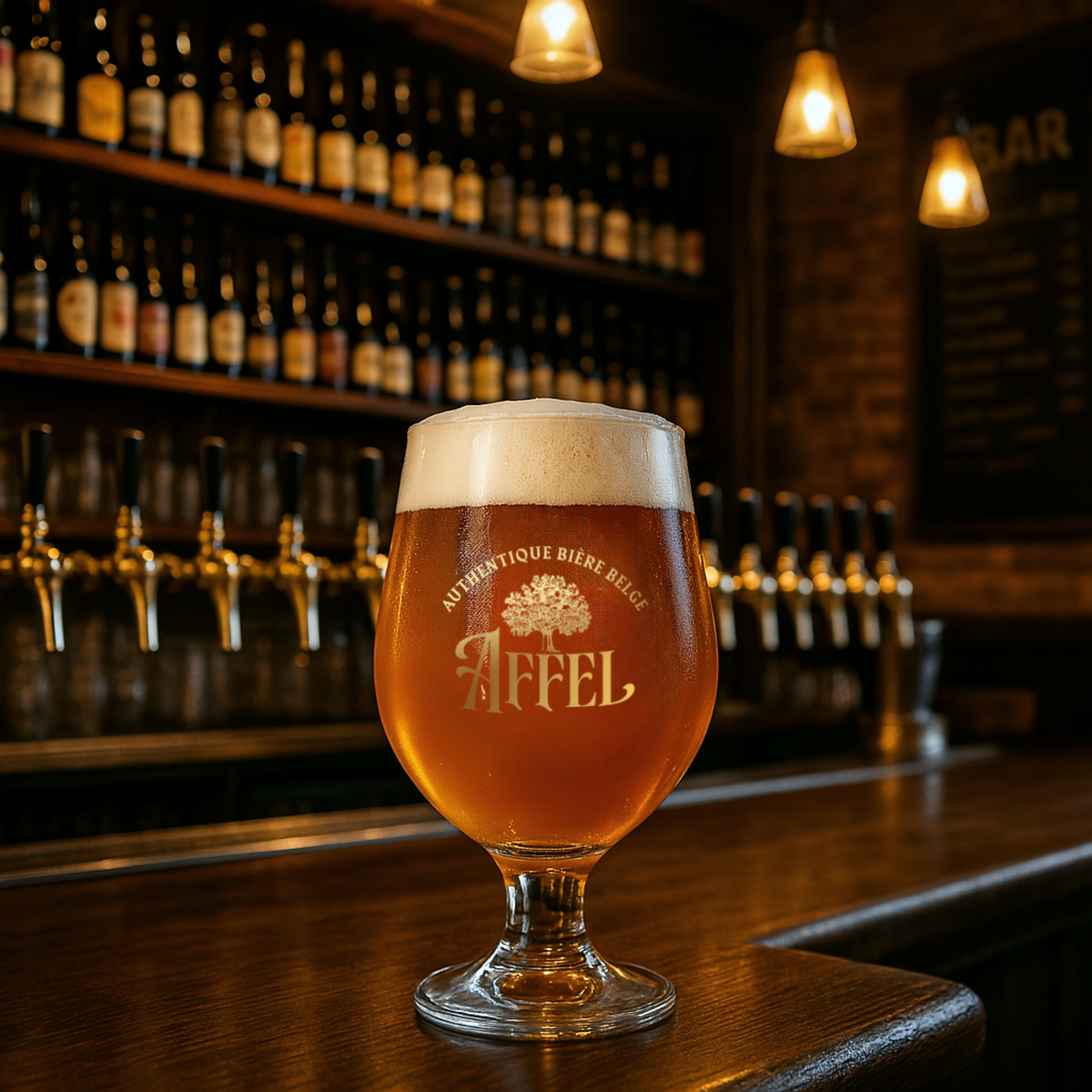
At Affel: water from underground springs, wild hops from the oak forests of East Flanders, and yeast cultivated using a secret monastic method.
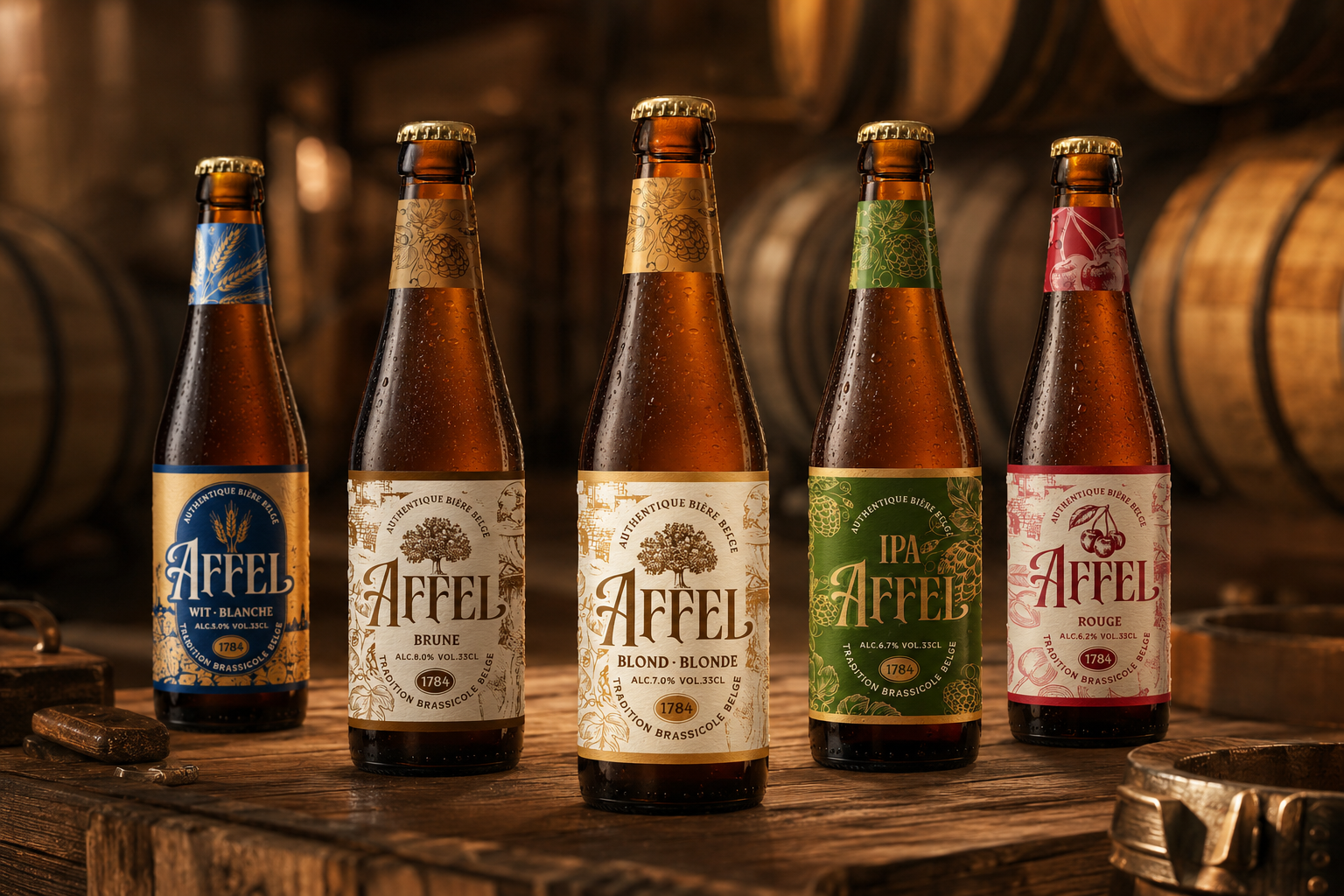
That is why every Affel, from the light Blanche to the dark Brune, carries a fruity, characterful depth — the signature of top fermentation.