Four hundred breweries: how Belgium became a beer country
A small country with almost 400 breweries and some 1,600 beers. Here is where they all came from.
Belgium covers just over 30,000 square kilometres — you can drive across it in about three hours. Yet according to Belgian Brewers, the national brewers’ federation, the country counted 395 breweries in 2025, making around 1,600 different beers. Since 2016, Belgian beer culture has been on UNESCO’s list of the Intangible Cultural Heritage of Humanity. To see how a country this size ended up with so many brewers, you have to go back a thousand years.
Abbeys, herbs and hops
In the Middle Ages beer was everyday food, often safer than water. Monasteries brewed for their monks, their guests and the pilgrims who passed through. Before hops, beer was flavoured with gruit — a blend of herbs and spices. Its earliest known mention dates from 974, when the bishop of Liège was granted the right to sell gruit in Fosses-la-Ville. Whoever controlled gruit controlled a valuable tax.
From the fourteenth century, hops gradually took gruit’s place. They kept beer fresh for longer, which meant it could travel — and be traded.
Towns, guilds and market squares
As towns grew, brewing moved from the cloister to the market square. Brewers organised themselves into guilds, and some became very powerful: the Brussels brewers’ guild counted John I, Duke of Brabant, among its honorary members. Every town — and before long almost every village — had its own brewery, and local water, grain and yeast gave each beer its own character.
Revolutions, and the return of the monks
At the end of the eighteenth century monastic brewing almost disappeared. Emperor Joseph II dissolved many abbeys, and in the French period of 1795–1799 most of the remaining monasteries were closed. The monks came back in the nineteenth century, and Trappist breweries began operating again in 1838. Today five Belgian breweries carry the Trappist name: Chimay, Orval, Rochefort, Westmalle and Westvleteren.
1900: more than 3,000 breweries
Belgian brewing reached its peak around 1900, with 3,223 breweries. Belgians drank about 200 litres of beer per person a year — most of it light, fresh and local, brewed a few streets away from the café where it was poured.
A century of closures
Then the numbers fell, year after year. Industrial brewing, refrigeration, railways and later advertising favoured big brewers over small ones. Two world wars disrupted supplies, and many small breweries never reopened. Pale lager won over drinkers. By 1980 only about 150 breweries were left, and by 1993 just 106.
A popular story says Belgian beers grew strong because a 1919 law banned spirits in cafés. The ban was real — it lasted until 1984 — but historians note that the average strength of Belgian beer barely changed in the following decades. Most of today’s famous strong beers became popular after 1950, and many only in the 1980s.
The revival
From the 1980s the tide turned. Small brewers returned, old styles were revived and new ones invented, and Belgian beer became a worldwide export. Large international groups and small independent brewers now work side by side. The count climbed back above 400 — 411 breweries in 2024 — before easing to 395 in 2025, as Belgians drink less but choose more carefully, and alcohol-free beers grow fast.
Where Affel fits in
Affel’s own story begins in the age of the guilds. Legend has it that in the 16th century, when the village of Ertvelde was known for its inns and breweries, one of them belonged to a brewer named Laurent d’Affel. Carters on the road to Ghent would turn off just to taste his beer — light yet rich, with notes of ripe fruit.
Other brewers looked for their secret in the hop fields. Laurent, the story goes, walked into the old oak groves of East Flanders before dawn and came back with a yeast no one else could find. He never wrote the method down; he passed it on by word of mouth to the one apprentice who tended his fire.
When the war between Spain and the Protestant rebels reached Flanders, the brewery was destroyed and the recipe was lost. Yet for generations the villagers said that on foggy evenings the ruins still smelled of hops and sweet malt — as if Laurent were still at work.
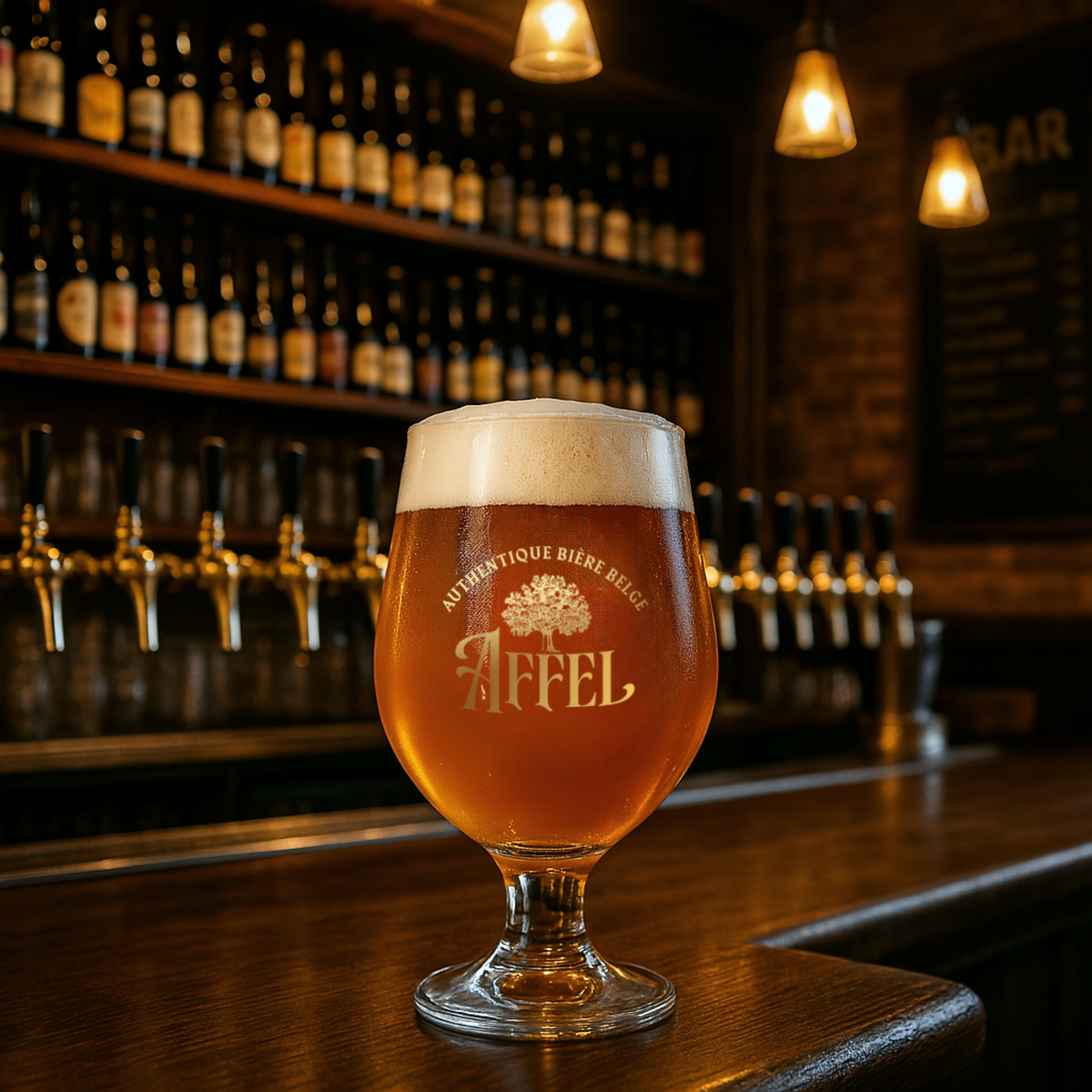
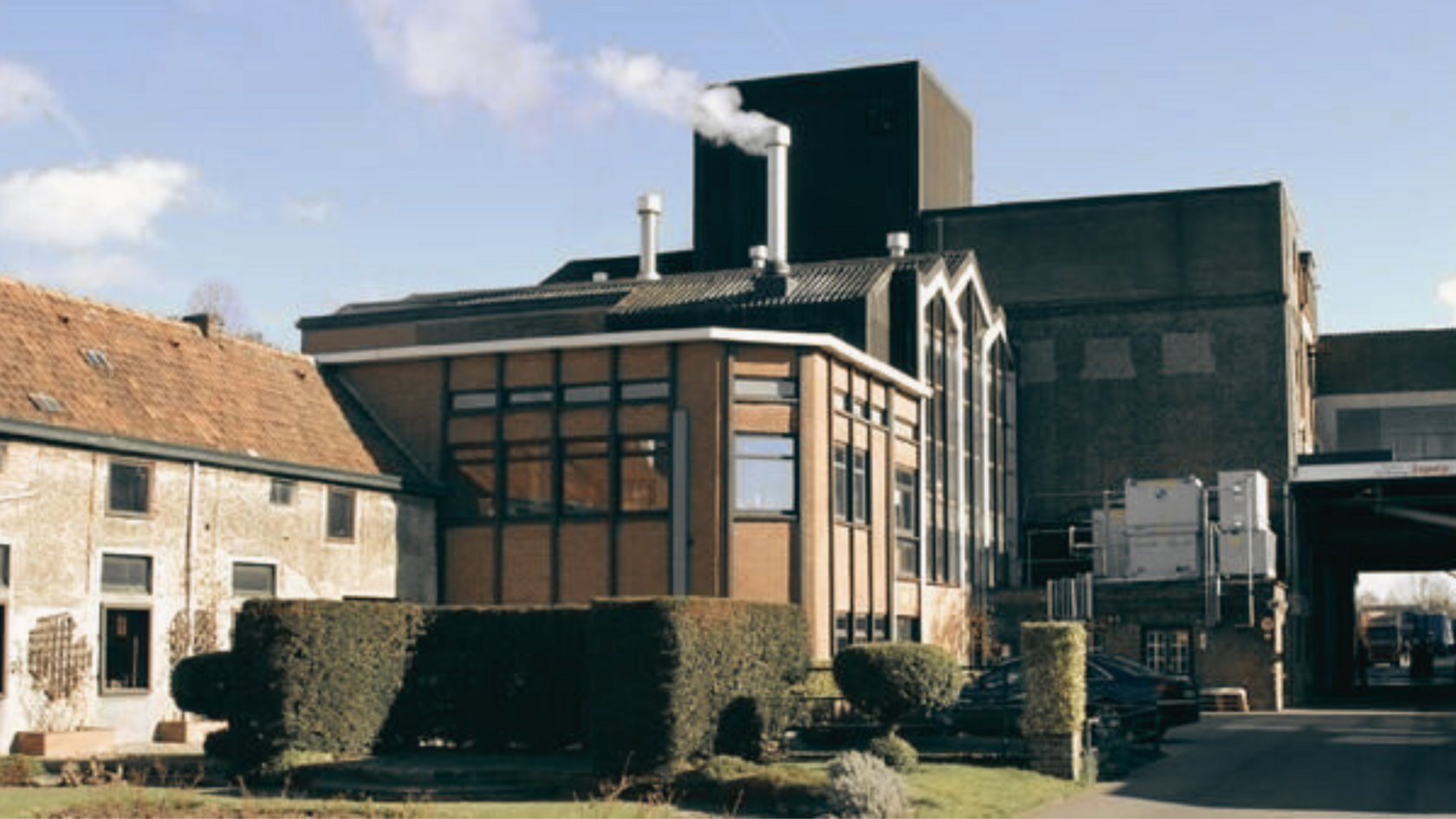
Today Affel is brewed in Ertvelde, East Flanders, in small batches and in the spirit of those ancient recipes — top-fermented, with ingredients from the heart of East Flanders.
Sources: Belgian Brewers figures for 2024–2025 (via The Brussels Times, June 2026); Wikipedia, “Beer in Belgium”; “Belgium: Craft Beer Nation?”, Springer; Lost Beers, “Fact check: the Vandervelde Law”.